Europe is where accessible travel is at its most rewarding and its most maddening, often in the same afternoon: a museum with lifts and a smooth accessible route, reached across a square of medieval cobbles that rattle the teeth. This is a guide to the continent's great destinations with an honest note on each — where it's genuinely easy, where the old streets make it hard, and where the headline sights have quietly done the work to welcome everyone. Most carry short films from wheelchair travellers who have been and found out for themselves.
These are general destination notes, not venue-by-venue guarantees — access changes, and the only way to be sure is to confirm with the specific hotels, attractions and transport before you book. Where we haven't confirmed something we say "not yet checked", never that a place is simply "inaccessible". This guide grows as we add destinations.
Western Europe
France and Ireland — grand, mostly level cities with historic-quarter cobbles to plan around.
Paris, France

France's capital of art, food and grand avenues, from the Eiffel Tower to the Louvre.
Paris pairs world-class museums and boulevards with a metro that is largely inaccessible but a fully accessible bus network and step-free RER hubs. The big sights — Louvre, Eiffel Tower, Musee d'Orsay — have lifts and accessible entrances.
Our tip Use the buses (all low-floor and ramped) rather than the old metro, and book timed accessible entry at the major museums.
Visiting — good to know
Level boulevards but historic cobbles in places; the metro is mostly step-free-free (few lifts) so plan around accessible buses/RER and the big sights' lifts.
For blind & low-vision visitors Wide boulevards and generally step-free newer Metro lines, but cobbles, kerbs and busy crossings are common; major museums are largely accessible — a guide helps in the crowds.
Sensory A busy, stimulating capital of traffic, crowds and cafe bustle; the parks, churches and quieter arrondissements offer calm.
Access last checked 5 Jul 2026 — always confirm with the venue.
Worth watching
- Wheelchair accessibility at Eiffel Tower  Mrunmaiy Abroal
- Booked an “accessible” hotel in Paris! BUT is it really? 🤔 WHEEL AROUND THE WORLD
- 📍 Navigating through Paris as a wheelchair user❗ I A M W E S H A M I L T O N
More Wikipedia
Also featured in Accessible travel around the world
Dublin, Ireland

Ireland's warm literary capital — Georgian squares, Trinity College and Guinness.
Dublin's centre is mostly flat and increasingly accessible, with low-floor buses, a step-free Luas tram and DART, and accessible headline sights.
Our tip The Guinness Storehouse, Trinity and EPIC museum are all accessible; buses are fully low-floor.
Visiting — good to know
Mostly flat centre; low-floor buses, step-free Luas tram and DART, and accessible major sights. Some cobbled Temple Bar lanes.
For blind & low-vision visitors A flat, compact, walkable city with generally accessible attractions but some cobbled areas (Temple Bar) and busy crossings; fairly navigable on the flat.
Sensory A friendly, lively city of pubs and music — busy and social in Temple Bar, calmer in the Georgian squares and along the canals.
Access last checked 5 Jul 2026 — always confirm with the venue.
Worth watching
More Wikipedia
Nice & the French Riviera

The French Riviera's sunlit capital — the Promenade des Anglais and Mediterranean light.
Nice has a flat, accessible seafront promenade and low-floor trams, and nearby Antibes has one of the world's most accessible beaches with sea-access facilities.
Our tip The seafront promenade and trams are step-free; head to Antibes for an accessible beach with sea-entry help.
Visiting — good to know
Flat, accessible seafront Promenade and low-floor trams; nearby Antibes offers an accessible beach with sea-access equipment. Pebble beaches otherwise.
For blind & low-vision visitors A Riviera city with a long, flat, well-defined seafront promenade — very navigable — though the old town is a cobbled maze and the beaches are pebbly.
Sensory A relaxed, sunny resort city; the promenade and beaches are pleasant and open, the old town lively, the Riviera calm and warm.
Access last checked 5 Jul 2026 — always confirm with the venue.
Worth watching
- Nice, France ♿️ Accessibility Review – A Must-Watch for Travellers ⭐️ WHEEL AROUND THE WORLD
- The world’s most accessible beach! - Antibes, NICE, FRANCE. WHEEL AROUND THE WORLD
- I bought the CHEAPEST ticket at the Monaco F1 race DownieLive
More Wikipedia
The Nordics
Among the most accessible destinations anywhere — level, well-designed and quietly welcoming.
Copenhagen, Denmark
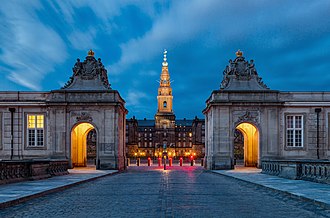
Denmark's design-led capital — Nyhavn's coloured houses, cycling culture and hygge.
Flat, calm and highly accessible, Copenhagen has a step-free driverless metro, low-floor buses, and level waterfronts; the whole city is built for easy rolling.
Our tip The driverless metro is fully step-free — one of the easiest in Europe.
Visiting — good to know
Flat throughout; a fully step-free automated metro, low-floor buses and level, wide waterfronts.
For blind & low-vision visitors A flat, calm, cycle-friendly city with generally accessible transit and wide pavements — fairly navigable — though bikes on shared paths are a hazard to listen for.
Sensory A calm, orderly, low-key city; the harbour and gardens are peaceful, Tivoli lively and bright.
Access last checked 5 Jul 2026 — always confirm with the venue.
Worth watching
More Wikipedia
Reykjavik & South Iceland

Land of volcanoes, waterfalls and geothermal lagoons, ringed by dramatic wild coast.
Reykjavik is compact and flat, and Iceland's headline sights increasingly cater for access — the Sky Lagoon, Golden Circle stops and some glaciers have accessible facilities and all-terrain options.
Our tip Book accessible tours in advance; specialist operators run adapted Golden Circle and South Coast trips.
Visiting — good to know
Reykjavik is flat and walkable; major sights (Sky Lagoon, Golden Circle) increasingly have accessible facilities, though wild terrain varies.
For blind & low-vision visitors A small, walkable, fairly flat capital, but South Iceland's sights are wild — waterfalls, geysers and cliffs with uneven ground, spray and unfenced hazards needing a guide.
Sensory A calm small city; the natural sights beyond are elemental — wind, water and geothermal sounds, some (geysers) sudden and dramatic.
Access last checked 5 Jul 2026 — always confirm with the venue.
Worth watching
- Travelling to Iceland as a wheelchair user (Reykjavik, Sky Lagoon and Helicopters) Abi Evans
- Disability Adventures in Reykjavik and Southern Iceland Wheelchair Adventures
- Iceland | Snowmobile up a Glacier | Wheelchair Accessible ♿️🏔️ Wheelchair_World_Traveler
More Wikipedia
Stockholm, Sweden

Sweden's elegant capital spread across fourteen islands.
Stockholm is widely accessible — a step-free metro (the 'world's longest art gallery'), accessible buses and ferries, and flat, well-kept central islands.
Our tip Ride the accessible metro just to see the art-station platforms; ferries link the islands step-free.
Visiting — good to know
Highly accessible: step-free metro, accessible buses and ferries, and flat central islands; the Old Town (Gamla Stan) has some cobbled lanes.
For blind & low-vision visitors A calm, orderly city spread over islands, with generally accessible transit and defined waterfronts; some cobbled old-town (Gamla Stan) lanes are uneven.
Sensory A calm, refined city of water and light — generally low-key; Gamla Stan gets busy with tourists, the islands and parks peaceful.
Access last checked 5 Jul 2026 — always confirm with the venue.
Worth watching
More Wikipedia
Oslo, Norway

Norway's fjord-side capital — waterfront museums, modern design and easy access to nature.
Oslo is flat around its waterfront and highly accessible, with step-free metro, trams and buses, accessible museums and a level harbour promenade.
Our tip The harbourfront and its museums are flat and step-free — an easy, accessible day.
Visiting — good to know
Flat, accessible waterfront with step-free metro/trams/buses and accessible museums; some older uphill streets.
For blind & low-vision visitors A calm, modern, largely flat waterfront city with accessible transit and defined promenades — fairly navigable — with forests and fjord close by.
Sensory A calm, orderly city of harbour and forest — generally low-key; the waterfront and museums are pleasant, the surroundings peaceful.
Access last checked 5 Jul 2026 — always confirm with the venue.
Worth watching
- Oslo for wheelchair users | Visit Norway Visit Norway
More Wikipedia
Helsinki, Finland

Finland's design-led Baltic capital of islands, saunas and clean modern lines.
Helsinki is flat and highly accessible, with step-free metro and trams, accessible ferries to the Suomenlinna sea fortress, and a strong barrier-free ethos.
Our tip Take the accessible ferry to Suomenlinna; trams and the metro are step-free.
Visiting — good to know
Flat and highly accessible: step-free metro and trams, accessible ferries and a strong barrier-free culture.
For blind & low-vision visitors A calm, flat, orderly waterfront city with accessible transit and wide, defined pavements — very navigable — with islands and sea close by.
Sensory A calm, low-key, design-focused city of harbour and forest — peaceful and unhurried; the market square and saunas are gently sociable.
Access last checked 5 Jul 2026 — always confirm with the venue.
Worth watching
- Wheelchair Access in Helsinki - Sage Traveling John Sage
- Travel to Helsinki as a wheelchair user Handiscover
More Wikipedia
Central Europe
Habsburg capitals and cobbled old towns, most with accessible routes to the headline sights.
Prague, Czech Republic

The city of a hundred spires — castle, Charles Bridge and a beautifully preserved old town.
Prague's old-town cobbles are bumpy and the castle hill is steep, but the metro has lifts at many stations, trams are increasingly low-floor, and the castle and cathedral have accessible routes.
Our tip Take the tram or an accessible taxi up to the castle rather than the cobbled climb.
Visiting — good to know
Historic cobbles and a steep castle hill; the metro has lifts at many stations and the castle/cathedral have accessible routes.
For blind & low-vision visitors A beautiful but heavily cobbled old city with hills, trams and crowds; the historic centre is uneven underfoot — a guide helps, though newer areas are flatter.
Sensory A busy, popular old town of crowds, trams and street music; the gardens and riverside are calmer.
Access last checked 5 Jul 2026 — always confirm with the venue.
Worth watching
More Wikipedia
Munich, Germany

Bavaria's handsome capital — Marienplatz, beer gardens and a gateway to the Alps.
Munich is one of Europe's easier cities: a step-free U-Bahn and S-Bahn, low-floor trams and buses, and level central squares like Marienplatz.
Our tip Germany's public transport is a model of access — use it freely.
Visiting — good to know
Level central squares and an extensively step-free U-Bahn/S-Bahn with lifts; low-floor trams and buses.
For blind & low-vision visitors A well-organised city with largely accessible transit and flatter, defined streets; some cobbles in the old centre, and the beer halls are crowded.
Sensory A generally calm, orderly city, lively in the beer gardens and extremely busy during Oktoberfest; parks are peaceful.
Access last checked 5 Jul 2026 — always confirm with the venue.
Worth watching
More Wikipedia
Berlin, Germany

Germany's reunited capital — the Brandenburg Gate, Museum Island and a powerful modern history.
Berlin is flat, wide and among Europe's most accessible big cities, with step-free U- and S-Bahn stations, low-floor transport and accessible museums.
Our tip Most major stations have lifts, but check the odd one out on the transport app before you set off.
Visiting — good to know
Flat, spacious streets; step-free U-/S-Bahn at most stations and low-floor buses/trams; accessible museums.
For blind & low-vision visitors A large, flat, spacious city with generally accessible transit and wide pavements — fairly navigable — though distances are big and some memorials are deliberately disorienting.
Sensory A spread-out, generally calm city with lively nightlife districts; huge parks and memorials give quiet, contemplative space.
Access last checked 5 Jul 2026 — always confirm with the venue.
Worth watching
- How accessible is Berlin? DW Travel
- How wheelchair-accessible is Berlin's public transport? DW Travel
More Wikipedia
Vienna, Austria

Imperial Vienna — Habsburg palaces, coffee houses and the world's music capital.
Often rated Europe's most wheelchair-friendly city: a fully step-free U-Bahn, low-floor trams, and accessible palaces like Schonbrunn and the Hofburg.
Our tip Schonbrunn Palace and gardens are largely accessible and a lovely, gentle day.
Visiting — good to know
Widely rated one of Europe's most accessible cities — step-free U-Bahn, low-floor trams and accessible palaces/museums.
For blind & low-vision visitors An elegant, largely flat city with accessible trams and grand, defined boulevards; the historic centre has some cobbles, and museums are largely accessible.
Sensory A calm, refined city of coffee houses and music — generally low-key; the Ringstrasse and palaces are grand but unhurried.
Access last checked 5 Jul 2026 — always confirm with the venue.
Worth watching
More Wikipedia
Tallinn, Estonia

Estonia's Baltic capital — a fairytale walled old town and a switched-on digital city.
Tallinn's medieval old town has cobbles and slopes, but the modern city is flat and accessible, with free public transport and a genuinely inclusive welcome.
Our tip The old town's cobbles are hard going; the newer districts are smooth and level.
Visiting — good to know
Cobbled, sloping old town; the surrounding modern city is flat with accessible, free public transport.
For blind & low-vision visitors A compact medieval old town of steep cobbled lanes and steps within walls — uneven and hard underfoot; the lower town is flatter, a guide helps on the hill.
Sensory A pretty, fairly calm old town that gets busy with cruise crowds by day; quiet in the evenings and back lanes.
Access last checked 5 Jul 2026 — always confirm with the venue.
Worth watching
- How Tallinn made me feel included as a blind traveller Blind Girl Adventures
More Wikipedia
Budapest, Hungary

Hungary's 'Pearl of the Danube' — grand boulevards, thermal spas and a river dividing hilly Buda from flat Pest.
Budapest pairs flat, walkable Pest with hillier Buda across the Danube; the newest metro line and many trams are step-free, and famous thermal baths have accessible facilities.
Our tip Stay in flat Pest — the M4 metro and riverbank trams are the step-free spine.
Visiting — good to know
Flat, walkable Pest with a step-free M4 metro and low-floor trams; Buda's Castle Hill is cobbled and steep. Some thermal baths have accessible entry.
For blind & low-vision visitors A grand city split by the Danube — the Pest side is flatter and navigable, the Buda castle hill steep with cobbles and a funicular; thermal baths have steps and wet floors.
Sensory A lively, atmospheric city of grand boulevards and thermal baths; the baths are warm and echoing, the riverside and parks calm.
Access last checked 5 Jul 2026 — always confirm with the venue.
Worth watching
More Wikipedia
Kraków, Poland

Poland's cultural heart — a vast medieval market square, a royal castle and moving wartime heritage.
Kraków's compact old town is flat but heavily cobbled, ringed by the green Planty park; trams are increasingly low-floor and the main sights have accessible routes.
Our tip It's the cobbles, not hills, to plan for; low-floor trams ring the flat centre.
Visiting — good to know
Flat but extensively cobbled old town; low-floor trams and accessible routes at major sights; Wawel Castle has some steps.
For blind & low-vision visitors A flat, walkable old city around a huge market square, largely level and navigable, though the historic surfaces are cobbled and it gets crowded.
Sensory A charming, popular old town of crowds, buskers and cafe life on the square; the quieter districts and parks are calm.
Access last checked 5 Jul 2026 — always confirm with the venue.
Worth watching
More Wikipedia
Istanbul, Turkey

The great city on two continents — Byzantine and Ottoman wonders, bazaars and the Bosphorus.
Istanbul is hilly and its old streets uneven, but the modern tram and metro have step-free stations, the Bosphorus ferries are accessible, and Hagia Sophia and the Blue Mosque have accessible entrances.
Our tip Use the T1 tram and the ferries; the historic sights have accessible entrances but hilly approaches.
Visiting — good to know
Hilly with uneven old streets, but step-free trams/metro, accessible ferries and accessible entrances at the major mosques and museums.
For blind & low-vision visitors A vast, hilly city of uneven surfaces, steep lanes and huge crowds, with grand but stepped monuments; some accessible transit — a guide is strongly advised.
Sensory An intensely sensory city — crowds, the call to prayer, the Grand Bazaar's clamour and spice-market scents; the great mosques are calm and vast within.
Access last checked 5 Jul 2026 — always confirm with the venue.
Worth watching
- Can a wheelchair user get by in Istanbul? Disabled accessibility in Turkey. Drifter
- Look at this WHEELCHAIR ACCESSIBLE Funicular in #Istanbul! #nolimits The Wheelchair Traveller
- Accessible Airport Tour with Ceyda Düvenci | #İGAcares Istanbul Airport TV
More Wikipedia
Southern Europe
The Mediterranean's great cities and islands — glorious, and honest about the steps and the heat.
Rome, Italy

The Eternal City — the Colosseum, the Vatican and two thousand years of history underfoot.
Rome's cobbles and stepped monuments look daunting, but the Colosseum, St Peter's Basilica and the Vatican Museums all have lifts and accessible routes, and Metro Line B plus many buses are step-free.
Our tip Pre-book the Colosseum and Vatican accessible entrances — they skip the queues and use the lifts.
Visiting — good to know
Ancient cobbles (sampietrini) and some stepped monuments, but headline sights have lifts/accessible routes and Metro Line B is largely step-free.
For blind & low-vision visitors Ancient cobbled streets, uneven ruins and many steps make orientation hard; major sites have some accessible routes but surfaces are rough — a guide is strongly advised.
Sensory A loud, vibrant, crowded city of traffic, scooters and lively piazzas; churches and gardens are calm refuges.
Access last checked 5 Jul 2026 — always confirm with the venue.
Worth watching
- Rome Italy 🇮🇹 in 3 Days: A Wheelchair-Friendly Adventure! Wheelie Awesome Adventures
More Wikipedia
Also featured in Accessible travel around the world · Classic Italy by Rail
Venice, Italy

The floating city of canals, palaces and St Mark's Square, reached only by water.
Venice is a real challenge — a city of stepped bridges and no roads — but the vaporetto (water bus) network is accessible, several bridges are ramped, and St Mark's area is largely flat.
Our tip Buy an accessible vaporetto pass and stick to the ramped-bridge routes mapped by the city; the islands of the lagoon are flatter.
Visiting — good to know
Challenging: many stepped bridges and no roads. Accessible vaporetti and a number of ramped bridges exist; St Mark's Square and the main islands are largely flat.
For blind & low-vision visitors A maze of narrow alleys, canal edges and stepped bridges with open water everywhere and no cars — disorienting and hazardous near the water; vaporetti are step-assisted but a guide is essential.
Sensory A crowded, atmospheric city of water sounds, bells and bustle on the main routes; the back canals are surprisingly calm and quiet.
Access last checked 5 Jul 2026 — always confirm with the venue.
Worth watching
- Getting Around Venice by Wheelchair Accessible Water Taxi Wheel the World
- Wheelchair Accessible | Venice in a Day Sylvia Longmire
More Wikipedia
Also featured in Accessible travel around the world · Classic Italy by Rail
Florence, Italy

The cradle of the Renaissance — the Duomo, the Uffizi and Michelangelo's David.
Florence packs its masterpieces into a compact, largely flat centre; the Uffizi, the Accademia (David) and the cathedral museum have lifts and accessible routes.
Our tip Book accessible timed entry for the Uffizi and Accademia — they have lifts and skip-the-queue access.
Visiting — good to know
Compact, mostly flat historic centre with some cobbles; major galleries and the Duomo museum have lifts, though climbing the dome is not step-free.
For blind & low-vision visitors A compact Renaissance city of hard cobbles, crowds and stepped monuments; the centre is flat but uneven underfoot, museums largely accessible — a guide helps in the crowds.
Sensory A busy, popular art city of crowds and church bells; the piazzas are lively, the Boboli gardens and quieter churches calm.
Access last checked 5 Jul 2026 — always confirm with the venue.
Worth watching
- Florence Italy | Duomo | The David | Gelato Wheelchair Access ♿️ Wheelchair_World_Traveler
- Florence Wheelchair Access Review by John Sage John Sage
More Wikipedia
Also featured in Classic Italy by Rail
Athens, Greece

The cradle of democracy — the Acropolis rising over a buzzing modern city.
Athens has worked hard on access: the Acropolis has a wheelchair lift and an accessible path, and the metro is largely step-free, though older streets are uneven.
Our tip The Acropolis lift runs weather-permitting — check the day's conditions and go early.
Visiting — good to know
The Acropolis has a wheelchair lift and accessible path (weather-permitting); the metro is largely step-free, but pavements and older districts can be steep and uneven.
For blind & low-vision visitors An ancient city of marble, slopes and uneven ruins; the Acropolis has a lift but the ground is famously slippery and steep — a guide is strongly advised at the sites.
Sensory A warm, busy, lively city of traffic and cafes; the ancient sites are exposed and can be crowded, the National Garden a calm refuge.
Access last checked 5 Jul 2026 — always confirm with the venue.
Worth watching
- Top Accessible Activities in Athens, Greece Lonely Planet
- Wheelchair Travel: Mission Acropolis, Athens Greece Allison Leena
- A wheelchair week in Athens (part 1) The Tetra Travels
More Wikipedia
Lisbon, Portugal

Portugal's hilly capital of pastel tiles, yellow trams and river light.
Lisbon's steep cobbles and historic trams are a challenge, but accessible buses, lifts, funiculars and a step-free riverside metro open up much of the city.
Our tip Use the accessible buses and the flat riverside (Baixa/Belem) rather than the steep tram routes.
Visiting — good to know
Famously hilly with steep 'calçada' cobbles and inaccessible historic trams; but accessible buses, public lifts/funiculars and a step-free riverside metro help.
For blind & low-vision visitors A beautiful but very hilly city of slippery mosaic pavements, steep lanes and trams — challenging underfoot; historic funiculars and the flat riverside help.
Sensory A relaxed, sunny city of trams, fado and tiled streets; the miradouros (viewpoints) and river are calm and breezy.
Access last checked 5 Jul 2026 — always confirm with the venue.
Worth watching
More Wikipedia
Also featured in Accessible travel around the world · Portugal by Rail
Dubrovnik, Croatia

A honey-stoned walled city on the Adriatic, its marble streets and sea views famous the world over.
Dubrovnik's old town has a flat, marble main street (the Stradun) but stepped side lanes and inaccessible city walls; the cable car to Mount Srđ carries wheelchairs to the great view.
Our tip The Stradun is flat and marble-smooth; the walls are steps-only, but the cable car gives the view step-free.
Visiting — good to know
Flat marble main street (Stradun) but many stepped side alleys; the city walls are not accessible. The Mount Srđ cable car is wheelchair accessible.
For blind & low-vision visitors A walled old city of polished, slippery limestone streets, steep stepped side lanes and crowds — the main street is flat but the sides climb steeply; a guide helps.
Sensory A beautiful but often extremely crowded walled town, busy with cruise crowds by day; calmer early, late and off-season, with sea sounds.
Access last checked 5 Jul 2026 — always confirm with the venue.
Worth watching
- Dubrovnik Wheelchair Access Review by John Sage John Sage
- Dubrovnik Cable Car - Accessibility for the Disabled Dubrovnik Cable Car
More Wikipedia
Santorini, Greece

The Aegean's iconic volcanic island — whitewashed villages tumbling down caldera cliffs above a sunken volcano.
Santorini is genuinely hard — clifftop villages of steps and cobbled lanes — but accessible tours, level stretches of Fira, and flat black-sand beach resorts make parts of it doable.
Our tip Base on the flatter south (Kamari/Perissa black-sand beaches); the caldera villages are steep and stepped.
Visiting — good to know
Very challenging: caldera villages are steps and steep cobbled lanes. More is possible in flatter Fira and the black-sand beach resorts (Kamari, Perissa); book adapted tours.
For blind & low-vision visitors Famously hazardous for VI visitors: steep, narrow, stepped clifftop lanes with sheer, largely unfenced caldera drops, mule traffic and crowds — a guide is essential.
Sensory A stunning but very crowded clifftop, especially at sunset in Oia; the caldera villages are busy and narrow, quieter in the mornings.
Access last checked 5 Jul 2026 — always confirm with the venue.
Worth watching
- Santorini Cruise: Accessible Excursions & My Top Tip! Let's Go! Travel Tips
More Wikipedia
Porto, Portugal

Portugal's second city of azulejo tiles, baroque churches and port-wine lodges on the Douro.
Porto is steep and cobbled down to the Douro, but the metro is step-free, a funicular helps with the levels, and the riverfront and Gaia port lodges have accessible areas.
Our tip The metro and the Gaia funicular handle the steepest climbs; the riverside is flatter than the old lanes.
Visiting — good to know
Steep and cobbled down to the river; step-free metro and a funicular ease the levels, and the riverside/port lodges have accessible areas.
For blind & low-vision visitors A steep, hilly riverside city of cobbles, staircases and trams — challenging underfoot; the riverside Ribeira is flatter but crowded, the bridges high and open.
Sensory A characterful, atmospheric city of the river, port lodges and tiled churches; the Ribeira is lively, the higher streets calmer.
Access last checked 5 Jul 2026 — always confirm with the venue.
Worth watching
- Porto accessible en fauteuil roulant ! / Wheelchair travel guide (English subtitles) HandilolOfficiel
- Portugal + Wheelchair Travel Wheelchair Traveling
More Wikipedia
Also featured in Portugal by Rail
Milan, Italy

Italy's stylish capital of fashion and design, crowned by its lace-like Gothic Duomo.
Milan is flat and largely accessible: newer metro lines are step-free, trams and buses are accessible, and there are lifts to the Duomo rooftop.
Our tip Take the lift to the Duomo terraces for the pinnacle-top views; the newer metro lines are step-free.
Visiting — good to know
Flat and largely accessible: step-free newer metro, accessible trams/buses and a lift to the Duomo rooftop; some cobbles and older stations.
For blind & low-vision visitors A large, flat, orderly city with accessible transit and grand, defined boulevards; the historic centre has some cobbles, and the Duomo area is crowded.
Sensory A busy, fashionable, business-like city; the Duomo and shopping galleries are crowded, the parks and quieter quarters calm.
Access last checked 5 Jul 2026 — always confirm with the venue.
Worth watching
More Wikipedia
Also featured in Classic Italy by Rail
Naples & Pompeii, Italy

Vibrant, chaotic Naples — birthplace of pizza and gateway to Pompeii and Vesuvius.
Naples is steep, busy and uneven, but funiculars and metro ease the hills, and nearby Pompeii has a dedicated 'Pompeii for All' accessible route through the ruins.
Our tip Do Pompeii via its 'Pompeii for All' accessible itinerary; Naples' funiculars handle the steep climbs.
Visiting — good to know
Steep, busy and uneven, but funiculars and metro help with Naples' hills, and Pompeii has a dedicated accessible route.
For blind & low-vision visitors A chaotic, hilly city of narrow, uneven, crowded lanes and traffic — intense and hard underfoot; Pompeii nearby is vast, uneven ancient stone — a guide for both.
Sensory A loud, vivid, high-energy city of scooters, markets and street life — intensely sensory; Pompeii is more open, hot and exposed.
Access last checked 5 Jul 2026 — always confirm with the venue.
Worth watching
More Wikipedia
Split, Croatia

Croatia's Dalmatian port, built around a living Roman palace on the Adriatic.
Split's Diocletian's Palace old town is flat but has some steps and polished stone; the Riva waterfront is level, and accessible cruise excursions run from the port.
Our tip The Riva waterfront is level and easy; the palace cellars and some lanes have steps.
Visiting — good to know
The palace old town is flat but with some steps and slippery polished stone; the Riva waterfront is level, and accessible cruise excursions exist.
For blind & low-vision visitors The old town is built inside a Roman palace — a maze of polished, uneven stone lanes and steps, with a flat, open seafront (the Riva) alongside; a guide helps in the maze.
Sensory A lively, sunny coastal city; the Riva and old town buzz with cafe life and cruise crowds by day, calmer in the evenings, with sea sounds.
Access last checked 5 Jul 2026 — always confirm with the venue.
Worth watching
More Wikipedia
Before you go
Rail is often the most accessible way to move around Europe, but assistance usually needs booking ahead (often 24–48 hours), so plan it in. City tourist boards increasingly publish accessible-route maps worth downloading before you arrive. And if somewhere here has caught your eye, open the planner to start shaping a trip around it — with your own access needs applied throughout. For the wider world, see the full accessible-world guide.